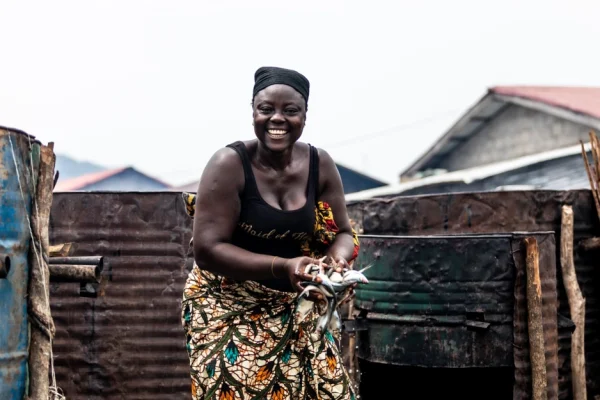

Case study: fisheries co-management in Mozambique – the Artisanal Fisheries and Climate Change (FishCC) Project

What are the challenges of setting up and running a CMA, and how can they be overcome?

Using CMAs as vehicles to identify and prevent industrial and artisanal IUU fishing

Case study – Co-management of Coastal and Marine Resources in the Aquatic Larvae Conservation Area – Artisanal Fisheries Group of Ban Nam Rap, Trang Province, Thailand

Additional resources
Section two of the toolkit provides information and resources for practitioners working alongside fishing communities who are seeking to set up co-management associations (CMAs) within small-scale marine fishing communities, and/or looking to engage CMAs in the fight against IUU fishing. It consists of six key components:
-
An introduction to the concept of a CMA, including key information on how they can improve the lives of small-scale fishing communities and how they can be formed;
-
Case study: fisheries co-management in Mozambique – the Artisanal Fisheries and Climate Change (FishCC) Project
-
-
An overview of the challenges faced while forming and running CMAs, and how these challenges can be overcome;
-
Case study – Co-management of Coastal and Marine Resources in the Aquatic Larvae Conservation Area – Artisanal Fisheries Group of Ban Nam Rap, Trang Province, Thailand
-
-
A guide to how CMAs can be vehicles for the identification and prevention of industrial and artisanal IUU fishing.
-
A set of additional resources to assist CMA formation.
